
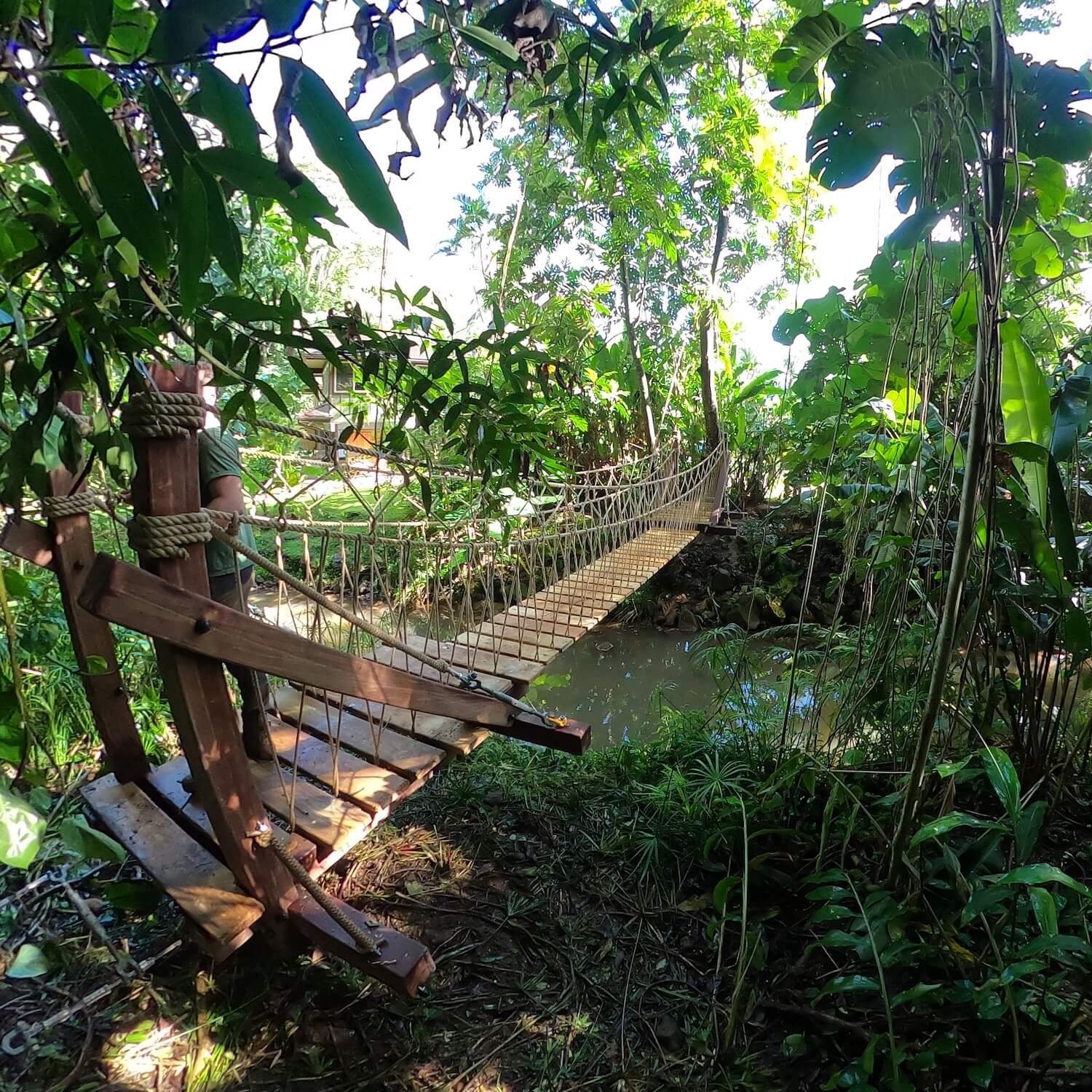
How we build Visitor Rope Bridge Projects
Treehouse Life Ltd. offers unique, adventure-filled Rope Bridges that combine thrill with safety, designed for leisure use without the need for active safety systems, belays, or specialised training. Our rope bridges create memorable experiences in a supported environment, ensuring ease of use for all participants. The design minimises physical challenges, with only a simple entrance and exit platform, making them an accessible and enjoyable attraction for families, visitors, and adventure seekers alike.
Though not legally bound by EN 15567 - specific to high ropes courses with belay systems - Treehouse Life Ltd. upholds high standards in health and safety by referencing this European Ropes Course Standard as a general framework for the design, inspection, maintenance, and operation of our rope bridges. As both Constructors and supporters of our Clients (Operators), we’re committed to responsible practices that align with the latest safety considerations, ensuring a durable, enjoyable, and secure experience.
Our focus on compliance and safety makes our rope bridges suitable for a range of commercial or private applications, such as family attractions, parks, or private estates. Clients can be confident that our installations meet robust quality and safety benchmarks, designed and maintained to exceed expectations. Treehouse Life Ltd. brings decades of expertise in crafting world-class Rope Bridges that elevate any outdoor environment, aligning with adventure and leisure while prioritising user safety.
Working at Height Regulations [WAHR] and Inspections
Treehouse Life Ltd. advises Operators on awareness of Working at Height Regulations (WAHR) for rope bridge inspections. Routine checks involve participant-level use, with risk assessments and safety measures in place. Other inspections or maintenance may require WAHR practices, including PPE, climbing harnesses, and dual-rope techniques, ensuring safe working practices by qualified inspectors.